Lack of Periods

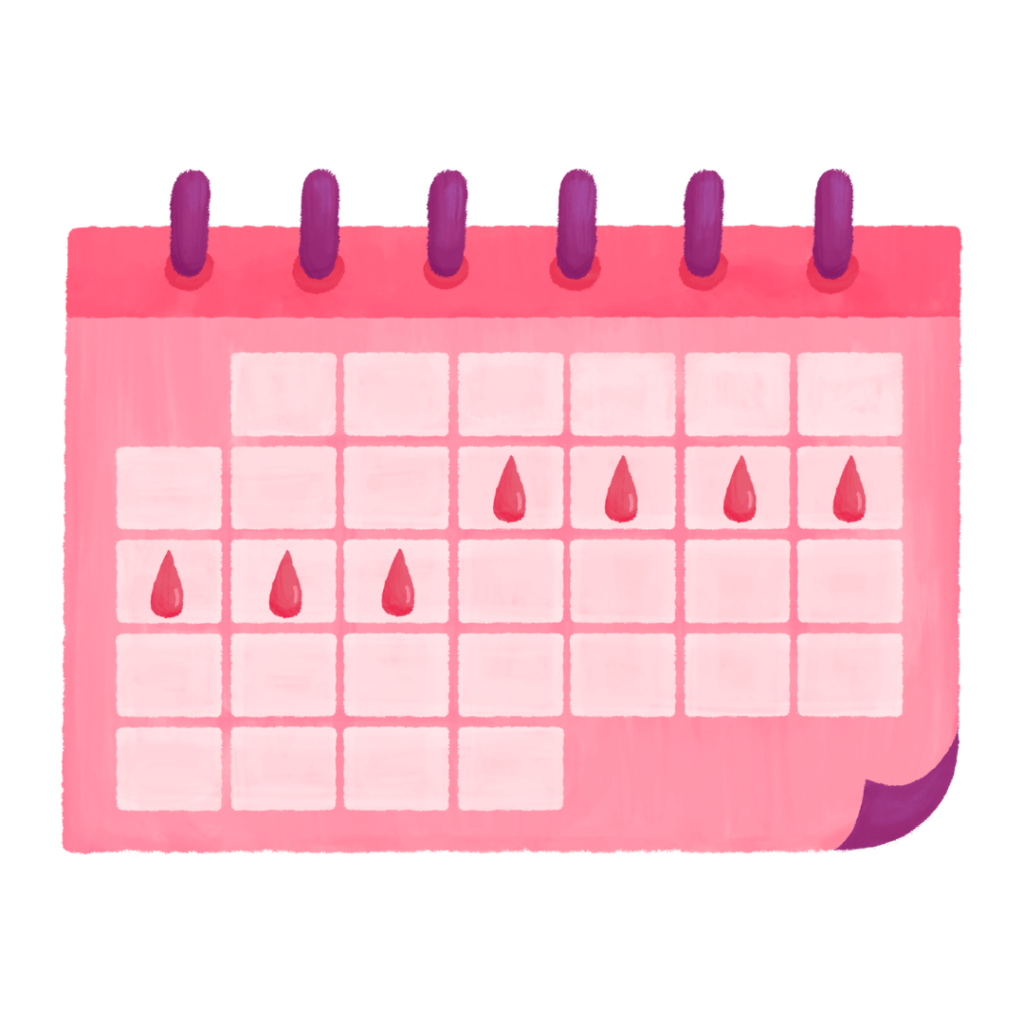
A lack of periods is a common reason your doctor might refer you for a gynaecological ultrasound. This scan can provide valuable insight into various potential causes, such as unusual uterine anatomy or blockages, changes in the uterus lining, and high or low egg count, which may be linked to other medical conditions. Our specialists are skilled in diagnosing conditions like polycystic ovary syndrome (PCOS) and other complex cases requiring expert interpretation.

Your ultrasound will typically involve two types of scans:

  • Abdominal Scan: Provides an overview, enhanced by a partially filled bladder for clearer images.
  • Vaginal Scan: Offers detailed views using a slim probe inserted into the vagina. This procedure is generally gentler than a cervical smear.

If it’s your first visit or you’re returning after several years, we usually start with an abdominal scan. For this, please drink two glasses of liquid before your appointment. For returning patients, prior advice about bladder filling will apply.

For patients where a vaginal scan isn’t suitable—such as children, those who haven’t had sex, or those experiencing significant discomfort with intercourse—a full bladder is essential for the abdominal scan. This requires drinking three large glasses of liquid about an hour before your appointment.

Ultrasound provides critical information about the ovaries and uterus lining (endometrium) during the menstrual cycle. When periods stop, the scan can help identify causes by assessing ovarian activity and endometrial changes.

Our specialists are skilled in diagnosing conditions like polycystic ovary syndrome (PCOS) and other complex cases requiring expert interpretation.

Bleeding Between Periods

Abnormal bleeding sometimes can be linked to several conditions visible on an ultrasound, such as polyps, fibroids, abnormal thickening of the uterus lining, or unusual ovarian activity. At QDOS Ultrasound, we specialise in detailed gynaecological imaging to recognise the difference between these abnormal findings, as well as to recognise variations of normal.

For the most accurate results, we often perform both types of scans:

  • Abdominal Scan: Provides an overall view and benefits from a partially filled bladder for clarity.
  • Vaginal Scan: Offers detailed images using a slim probe inserted into the vagina after the bladder is emptied. While this might sound awkward, it’s a gentler experience than a Pap smear and delivers more detailed results.

To ensure a clear ultrasound, we recommend:

  • Abdominal-Only Scan: Drink three large glasses of liquid an hour before your appointment.
  • Abdominal and Vaginal Scan: Two glasses of liquid are sufficient.

If you’ve had ultrasounds at another practice in the past five years, please bring reports or images. These can provide valuable context for assessing changes over time.

  • If your periods are regular but you experience bleeding between them, schedule your scan between days 5 and 11 of your cycle (counting from the first day of your period).
  • For heavy or prolonged bleeding, or if your periods are irregular, estimate the best time you can, but don’t delay your scan if bleeding is constant.

Heavy & Painful periods

Painful or heavy periods are common reasons for a gynaecology ultrasound. Conditions like fibroids, endometriosis, adenomyosis, uterine polyps, or abnormal thickening of the uterus lining may be responsible. Whilst endometriosis cannot be excluded by ultrasound, our team are specialists in looking for the recognisable ultrasound features of endometriosis.

  • Regular Cycles: Schedule your ultrasound between days 5 and 11 of your cycle.
  • Endometriosis Concerns: A scan later in the cycle may provide better insights.
  • Irregular or Constant Bleeding: Don’t delay—book your scan as soon as possible.
  • Using Oral Contraceptives: Timing is not critical; bring your pill packet or name.

Avoid scheduling during your period for comfort and accuracy. Note the first day of your last menstrual period to share with us at your appointment.

A gynaecological ultrasound typically includes:
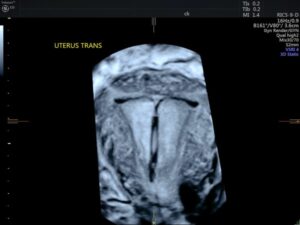
  • Abdominal Ultrasound: Offers an overview; a partially full bladder improves clarity.
  • Vaginal Ultrasound: Provides detailed images using a slim probe inserted after bladder emptying.
  • For an abdominal scan, drink three large glasses of liquid about an hour before your appointment. If your bladder isn’t full enough, extra time may be needed for proper filling.
  • For a vaginal scan, two glasses of liquid are enough; you can empty your bladder after a brief abdominal scan.

If your bladder isn’t full enough, extra time may be needed for proper preparation, especially for younger patients.

Schedule Your QDOS Ultrasound Now

Receive professional, compassionate care from our experienced team. Book an ultrasound appointment at a time that works best for you and take the next step in your pregnancy journey.